
42 vs 50 vs 55 Prop TV for Staging: How to Choose the Right Size for Showrooms & Model Homes
42 vs 50 vs 55 Prop TV for Staging: How to Choose the Right Size
When teams search for a prop TV (dummy TV / fake TV for staging), the real question is rarely “Which size is bigger?”
The real question is:
Which size looks believable in the room, stays consistent across projects, and makes rollouts easier—not harder?
In professional staging and showroom environments, size choice affects:
-
visual realism (does it look right on a media wall?)
-
installation speed (how quickly can teams reset sets?)
-
multi-room consistency (bedrooms vs main living areas)
-
procurement efficiency (standard kits for repeat projects)
This guide focuses on the three most practical sizes for real projects: 42", 50", and 55".
1) First, define the job: what a prop TV is supposed to solve
A prop TV (display-only / non-functional dummy TV) is used to create a modern “TV presence” without the headaches of functional electronics:
-
no power, no cables
-
no black-screen distraction
-
no updates or maintenance
-
lower breakage and theft risk in public-facing spaces
-
easier repeat installs for staging teams
So the “right size” is the size that completes the scene with the least operational friction.
2) The fastest sizing rule (what experienced staging teams actually do)
Instead of guessing by inches, use this rule:
Choose the size that matches the furniture scale first, then the wall scale.
-
If the console is compact and the room is tight, a large TV looks forced.
-
If the console and wall are wide, a small TV looks “off” even if it technically fits.
That’s why many teams standardize sizing by room type, not by personal preference.
3) When 42" is the right choice (and why it's not "small" in practice)
42" works best when balance matters more than impact.
Typical best-fit scenarios:
-
bedrooms and compact apartments
-
secondary living zones in model homes
-
showrooms with smaller vignettes or modular furniture sets
-
trade-show booths where wall space is limited
Why teams choose 42":
-
keeps compact rooms looking realistic
-
faster setup and easier handling
-
reduces the risk of overpowering the scene
Simple check:
If the room is visually “tight” (narrow media wall, shorter viewing distance), 42" usually reads more believable.
4) When 50" is the best middle ground
50" often wins for teams who stage a wide variety of rooms and want one size that performs well in most setups.
Best-fit scenarios:
-
medium-sized living rooms
-
balanced showrooms where you need presence but not dominance
-
projects where you want “modern scale” without committing to 55"
Why 50" works:
-
Looks more substantial than 42" on wider consoles
-
still easier to integrate in mixed-room projects
-
strong all-around option for buyers who don’t want to over-spec
Simple check:
If you feel 42" may look under-scaled on a living room console, but 55" may feel too dominant, 50" is usually the safe choice.
5) Why 55" is the default standard in professional showroom staging
Across many furniture showrooms and model home programs, 55" becomes the “default” because it matches modern living-room expectations.
Best-fit scenarios:
-
main living rooms and hero vignettes
-
modern interiors where a TV should feel like a central feature
-
multi-store rollouts that need a clear standard
Why teams standardize on 55":
-
modern and widely recognized scale
-
strong visual presence on media walls
-
simplifies procurement: one standard size for most “main room” installs
Simple check:
If the staging goal is to create a “complete modern living room,” 55" is usually the most universally believable size.
6) The most reliable approach: build a 3-size staging kit (42 + 50 + 55)
The biggest project mistake is forcing one size into every room.
A practical rollout kit looks like:
-
42" for bedrooms / compact spaces
-
50" for flexible mid-size rooms
-
55" for main living rooms / hero walls
This prevents the two most common staging failures:
-
Compact rooms feel overcrowded
-
Main rooms look under-scaled and unfinished
It also makes procurement easier: you standardize a kit instead of reinventing sizing for every project.
7) What to confirm before ordering (this is where projects fail quietly)
Size choice is only half the decision. Before ordering, confirm these essentials:
A) Placement plan: wall-mount or console placement?
Tell your supplier your intended placement:
-
wall-mount / media wall
-
console placement / cabinet
This affects what “ready to install” really means.
B) Surface finish under your lighting
Bright showrooms, reflective floors, and photo shoots can make the wrong finish look fake.
If your project includes photography or walkthrough videos, request a finish option suitable for your lighting environment.
C) Packaging for repeat logistics
For multi-location rollouts or international shipping, packaging is not a detail—it’s an operational requirement.
Request carton details early, so your logistics team can plan correctly.
FAQ: 42 / 50 / 55 Prop TV Selection
Q1: Do prop TVs light up or play video?
No. They are display-only and non-functional.
Q2: Can I mix 42, 50, and 55 in one order?
Yes. Mixed-size orders are common for showroom kits and model home programs.
Q3: Which size should I standardize for a showroom rollout?
Most teams standardize 55" for main living sets, then add 42" for compact zones. 50" is a useful middle size when your room types vary.
Q4: Why not use real TVs?
Real TVs add black-screen distraction, power/cables, maintenance, breakage risk, and theft risk—especially across repeated resets and public spaces.
Planning a showroom or model home rollout? Send us:
-
Quantity
-
Delivery city + postcode
-
Placement preference (wall-mount or console)
-
Shipping method (courier / air / sea)
-
Size mix (42 / 50 / 55)
We’ll reply with pricing, lead time, and export carton details for your logistics team.
 42 vs 50 vs 55 Prop TV for Staging: How to Choose the Right Size for Showrooms & Model Homes
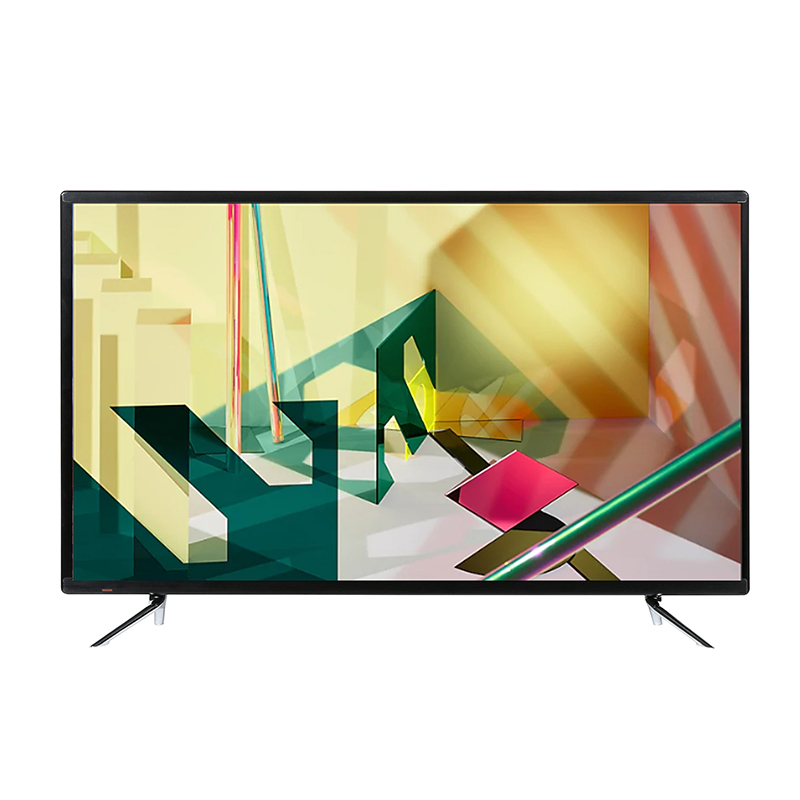 Fake TV for Staging: 42 vs 50 vs 55 vs 60 vs 70 (Which Size Looks Right?)
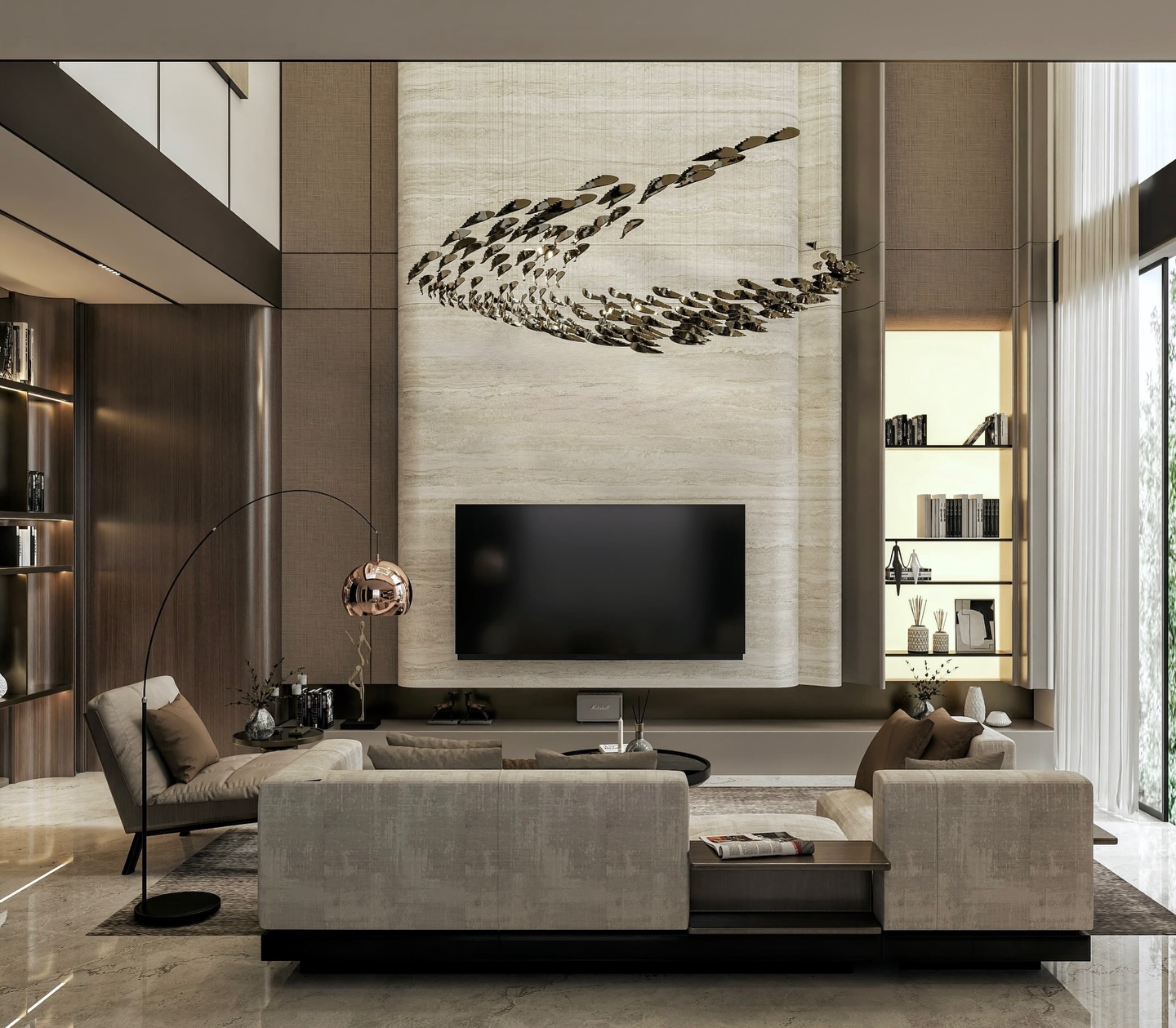 Why UK Showroom Projects Often Fail at the Packaging Stage
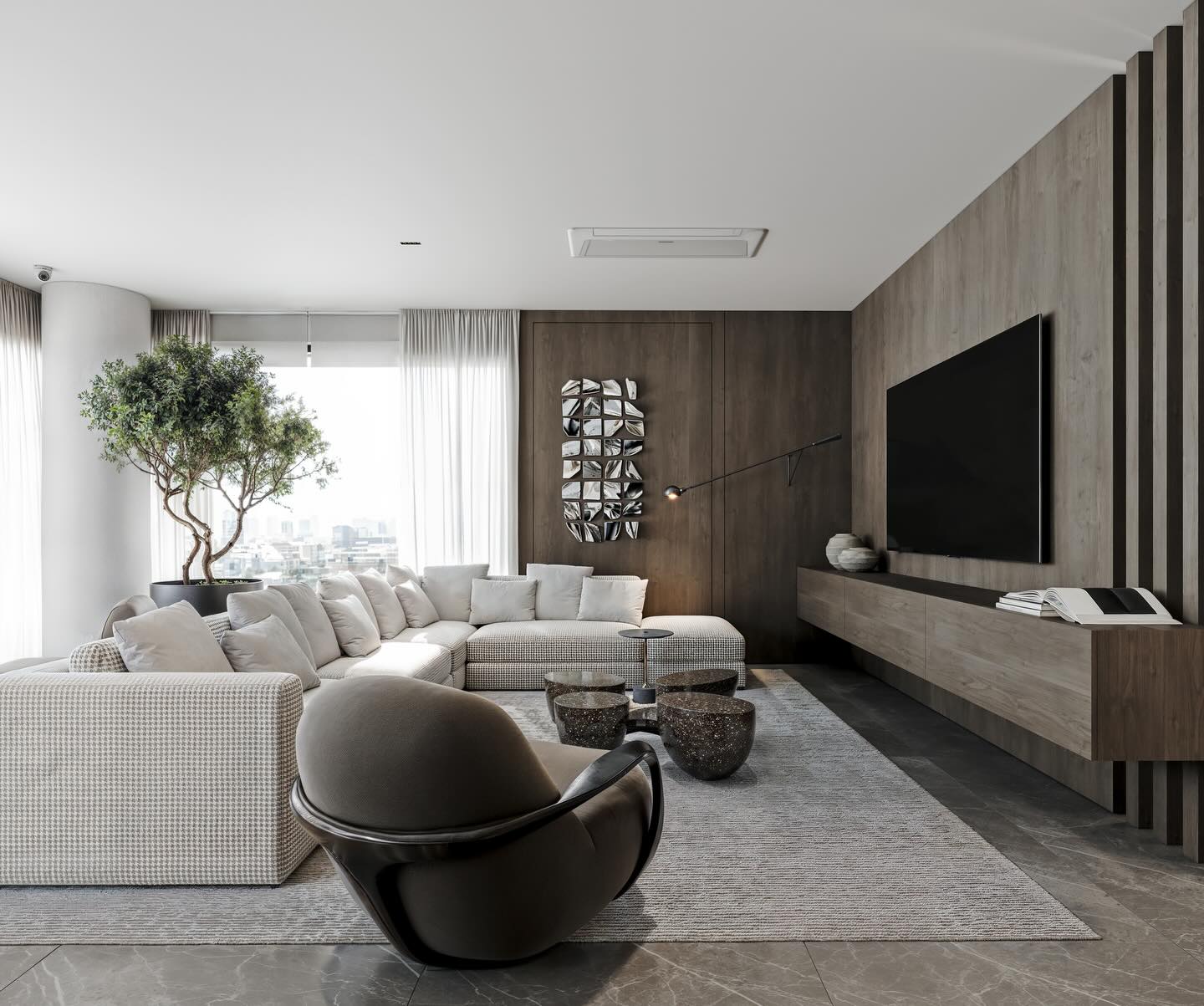 Why Display Consistency Breaks First in Multi-Store US Showroom